
Everything You Need to Know
What is the best time to travel to Iceland?
It depends on what you’re looking for.
- Summer (June–August): long daylight hours, milder weather, and fully accessible roads.
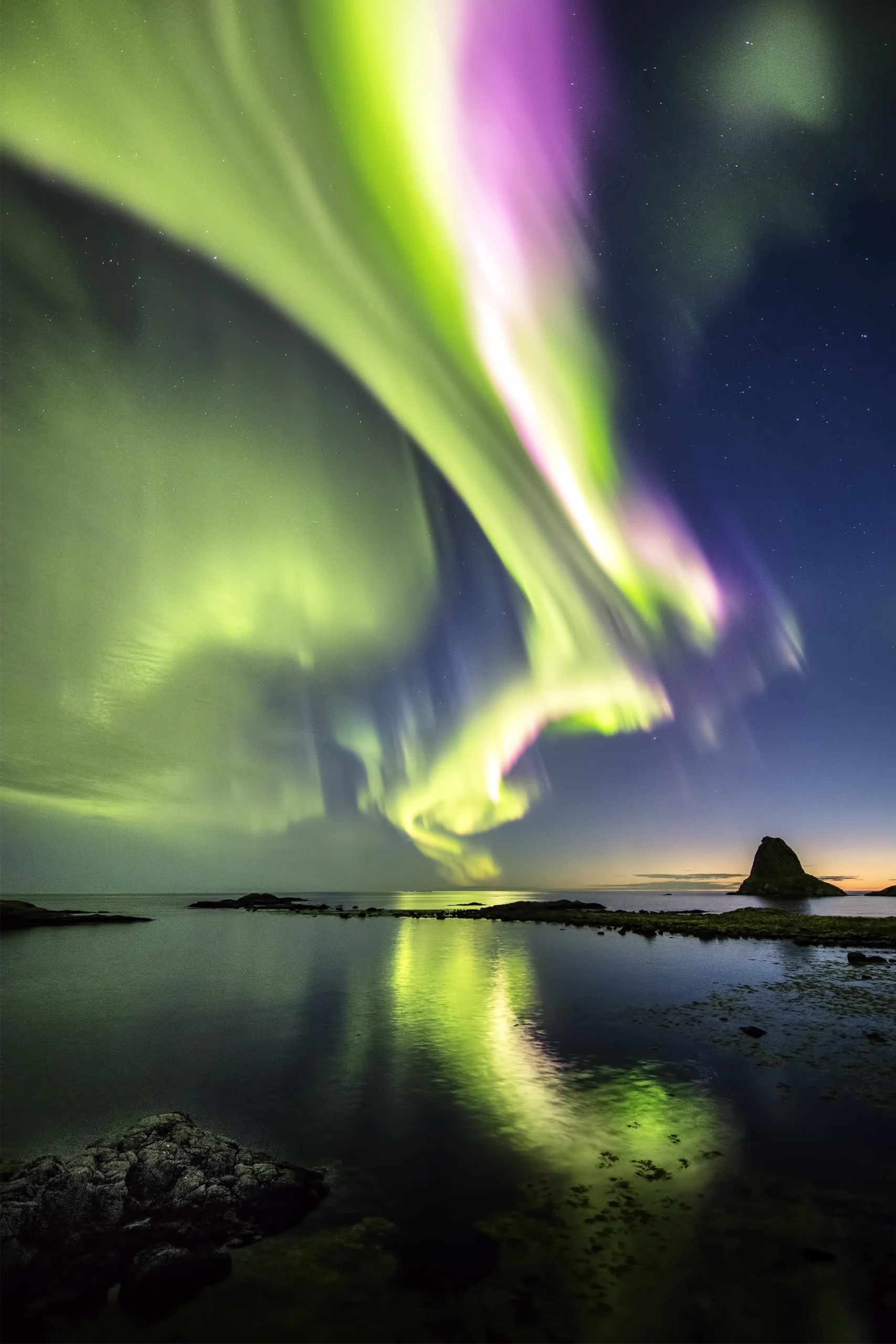
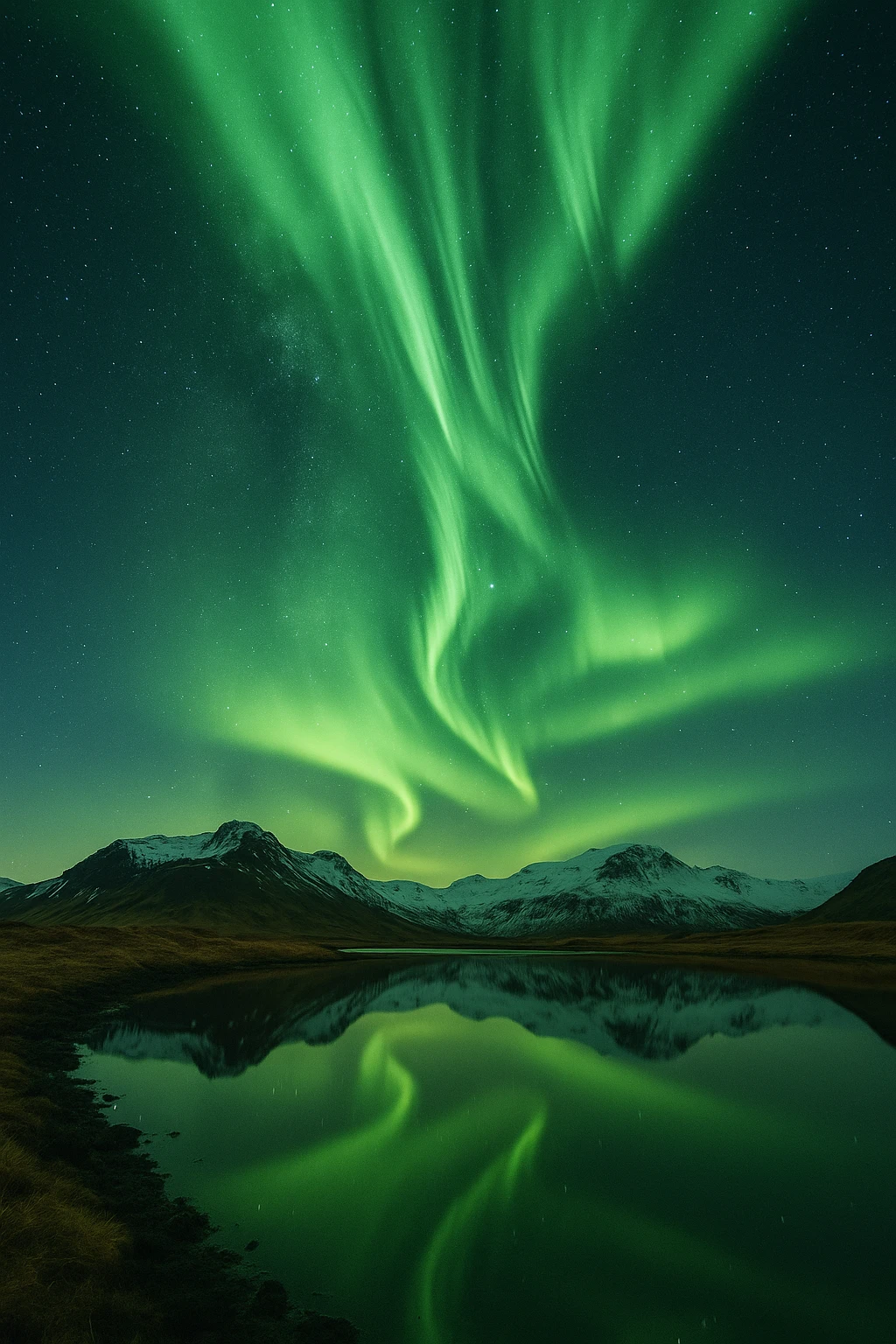
- Winter (October–March): ideal season to see the Northern Lights and experience Iceland’s winter atmosphere.
There is something unique to discover all year round
Is it very cold in Iceland?
The climate can be cold, but not as extreme as many people imagine. In winter it usually ranges between -5°C and 5°C, and in summer between 10°C and 15°C. The most important thing is to dress in layers and be ready for sudden weather changes.
Do I need to rent a car to travel around the country?
It is not mandatory. Many people choose guided tours for more comfort and safety, especially in winter. If you decide to drive, it is important to check weather and road conditions daily.
Do I need a visa to enter Iceland?
Travelers from the European Union, the Schengen Area, and several Latin American countries do not need a visa for short stays. It is always recommended to check the specific requirements for your nationality.
Can I see the Northern Lights at any time of year?
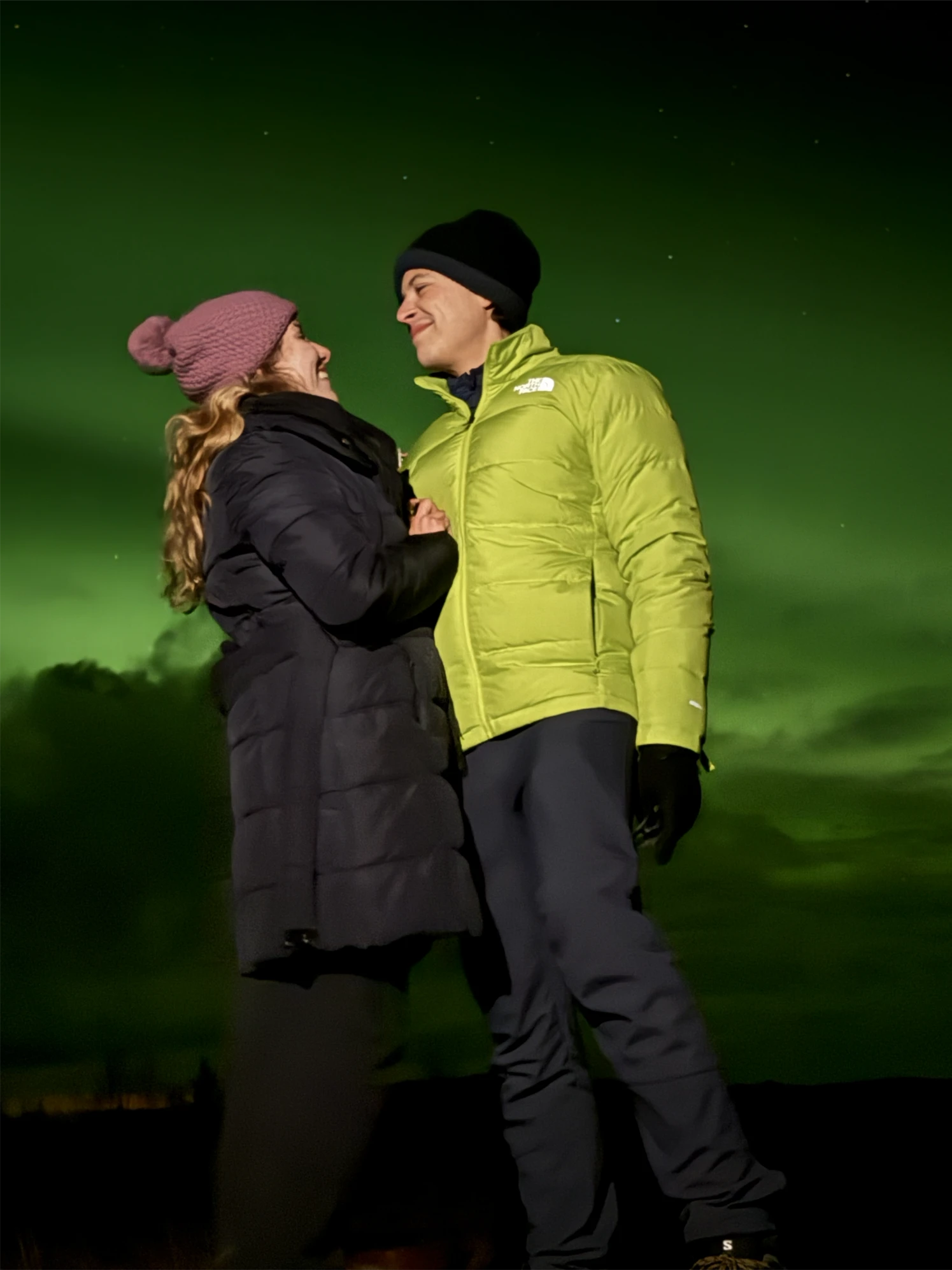
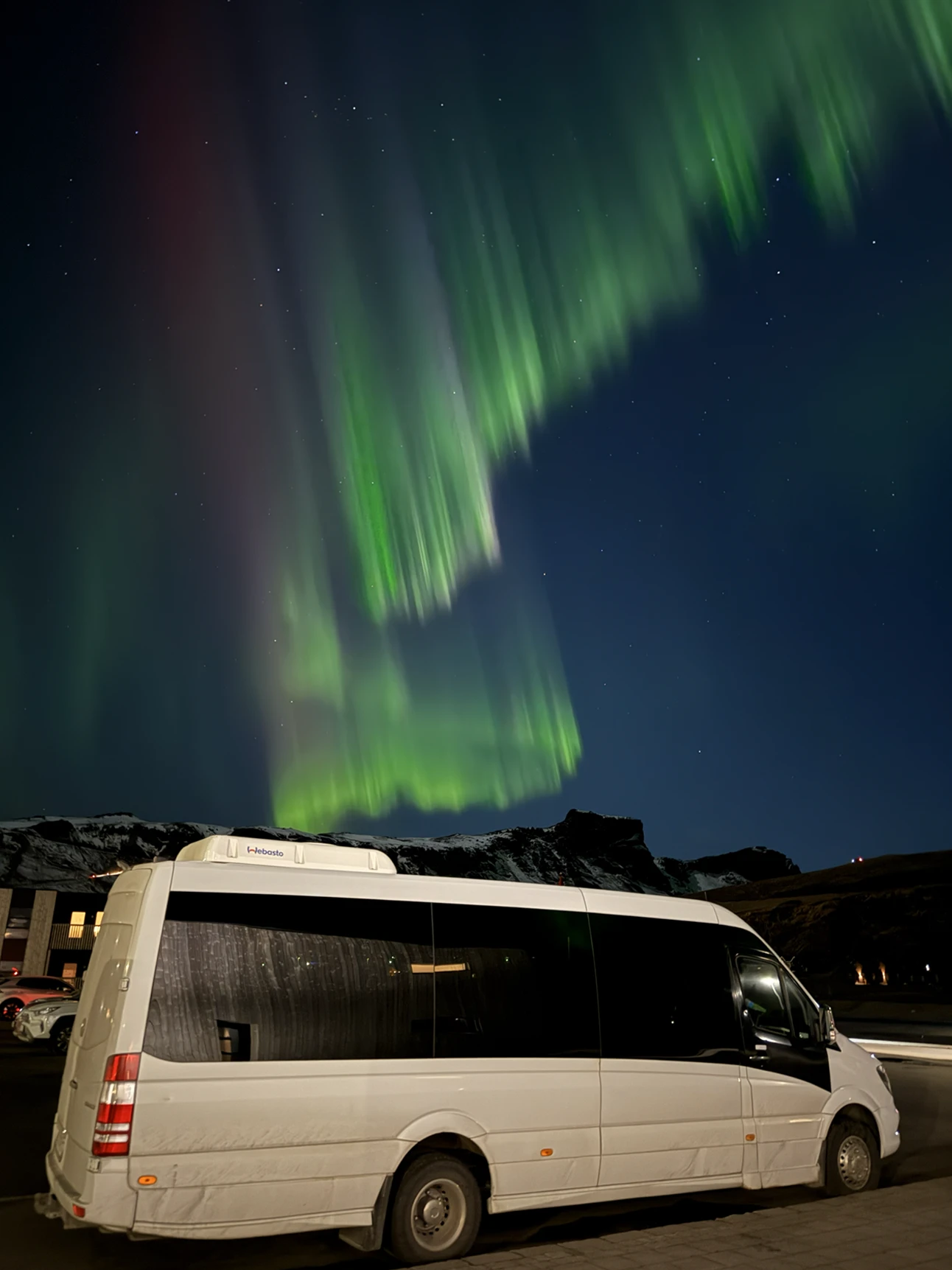
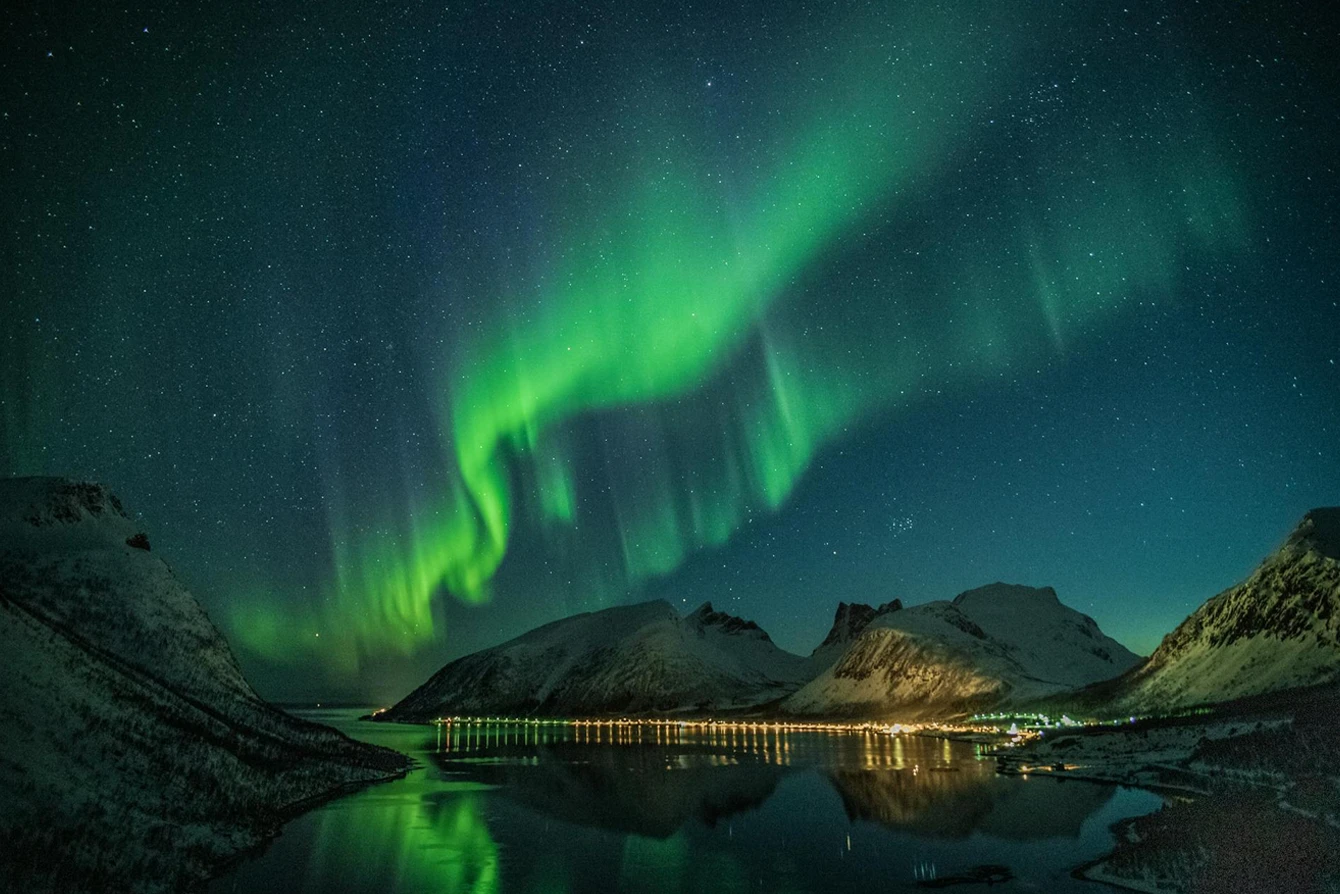
No. They are only visible from late September to April, when there is enough darkness. Even then, visibility depends on weather conditions and solar activity.
What kind of clothing should I bring?
Essential items:
- Thermal clothing
- Waterproof jacket
- Waterproof boots
- Gloves, hat, and scarf
- Multiple layers
The weather changes quickly, so it is best to be well prepared.
Is Iceland an expensive country?
Yes, it is considered a high-cost destination. However, you can optimize your budget by planning ahead, booking activities in advance, and choosing tours that include multiple experiences.
Can you drink tap water in Iceland?
Yes! Tap water in Iceland is among the purest in the world. There is no need to buy bottled water.
Is it safe to travel to Iceland?
Iceland is one of the safest countries in the world. However, it is still important to follow weather alerts and safety recommendations when exploring nature.
What currency is used and how do people pay?
The currency is the Icelandic króna (ISK). Almost everywhere accepts card payments, even in rural areas.
How many days do you need to visit Iceland?
For a first visit:
- 3–5 days: nearby areas and classic routes
- 7–10 days: more complete itineraries
- 10–14 days: a full Ring Road trip at a relaxed pace
Can I visit glaciers, ice caves, or famous beaches without a guide?
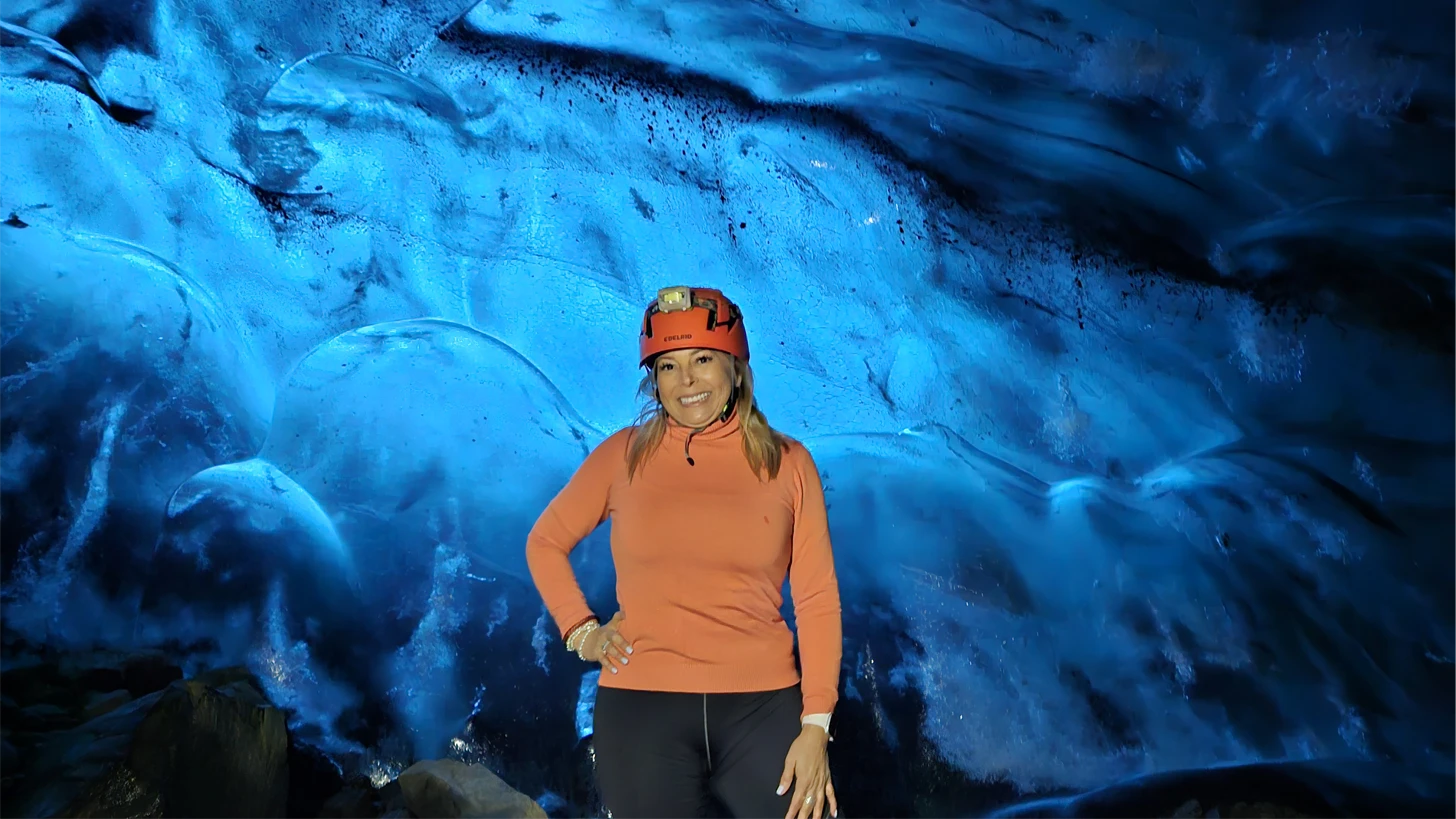
Some areas are accessible on your own, but glacier and ice cave experiences must be done with a professional guide for safety. Many of these activities are also seasonal.
What is driving like in Iceland?
Roads are generally in good condition, but the weather can change very quickly. In winter there may be snow, ice, and strong winds. It is important to check official updates daily if you are traveling independently.
Can I see animals like whales or Icelandic horses?
Yes. Icelandic horses can be seen year-round. Whale watching tours are available from several towns and operate in different seasons.
Is language a barrier?
No. Although Icelandic is the official language, most people speak fluent English, especially in tourism services.
How accessible is Iceland for solo travelers?
It is one of the safest and most welcoming destinations for solo travelers. Joining guided tours also makes it easy to meet people and explore without stress.
Frequently Asked Questions from Real Travelers
How much do tours in Iceland cost?
Prices vary depending on the season, duration, and type of activity. In general, Iceland is an expensive destination, but we always offer options with excellent value for money. We provide up-to-date pricing when you contact us.
Can I travel even if I don’t speak English?
Absolutely! Our team and guides speak Spanish. You can enjoy your entire trip without worrying about the language barrier.
How safe is it to travel in winter?
Iceland is very safe, but the weather can change quickly. That’s why many travelers choose guided tours, where an experienced driver and certified guide take care of everything. It’s the safest and most comfortable option.
Where is the best place to stay?
For most of our tours, Reykjavík is the ideal base. From there, we organize all departures and pickups.
What happens if it rains or snows on the day of the tour?
Tours usually operate even in rain or light snowfall. They are only canceled if there is a genuine safety risk. In the event of a cancellation, we offer rescheduling options.
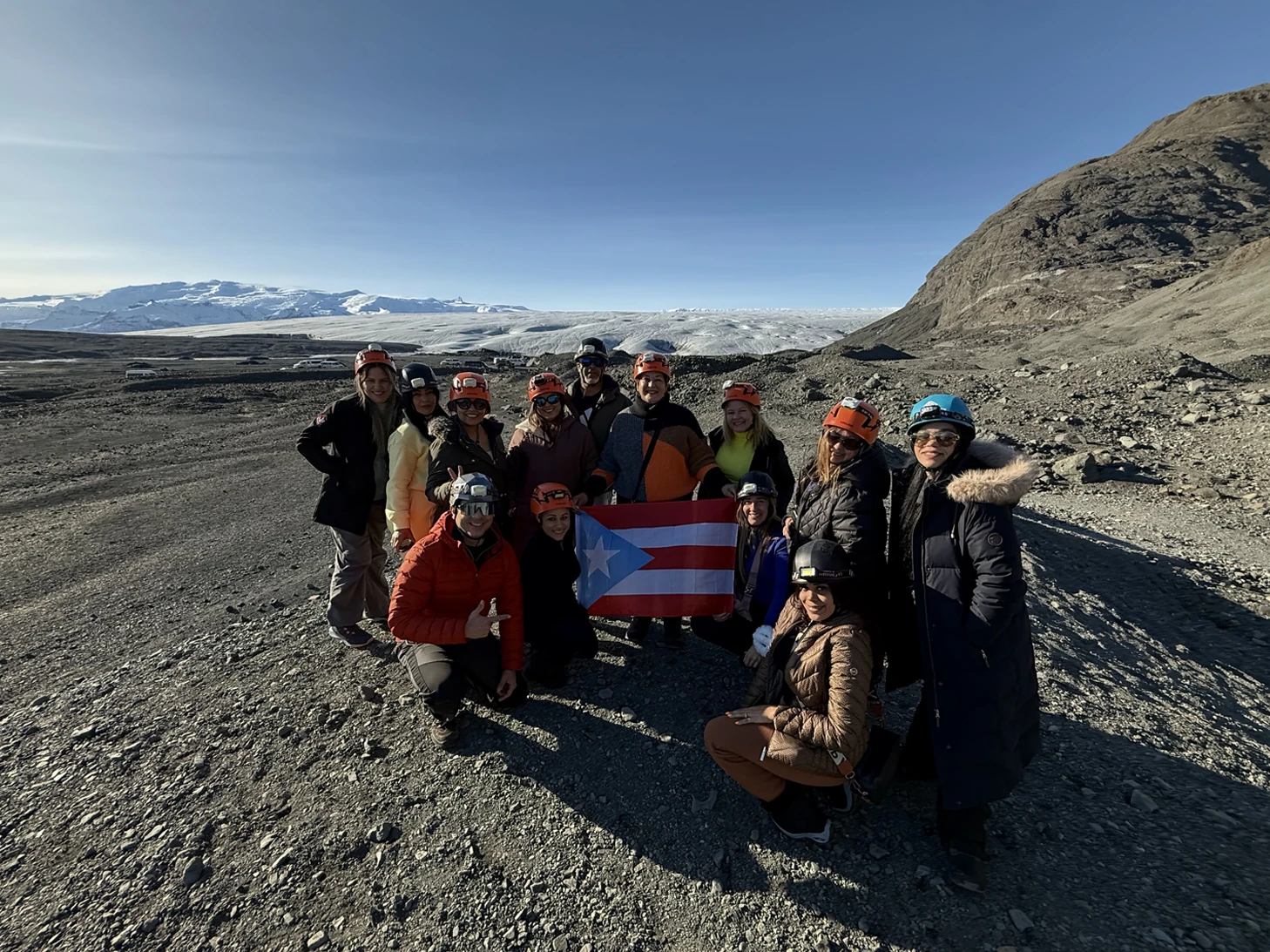
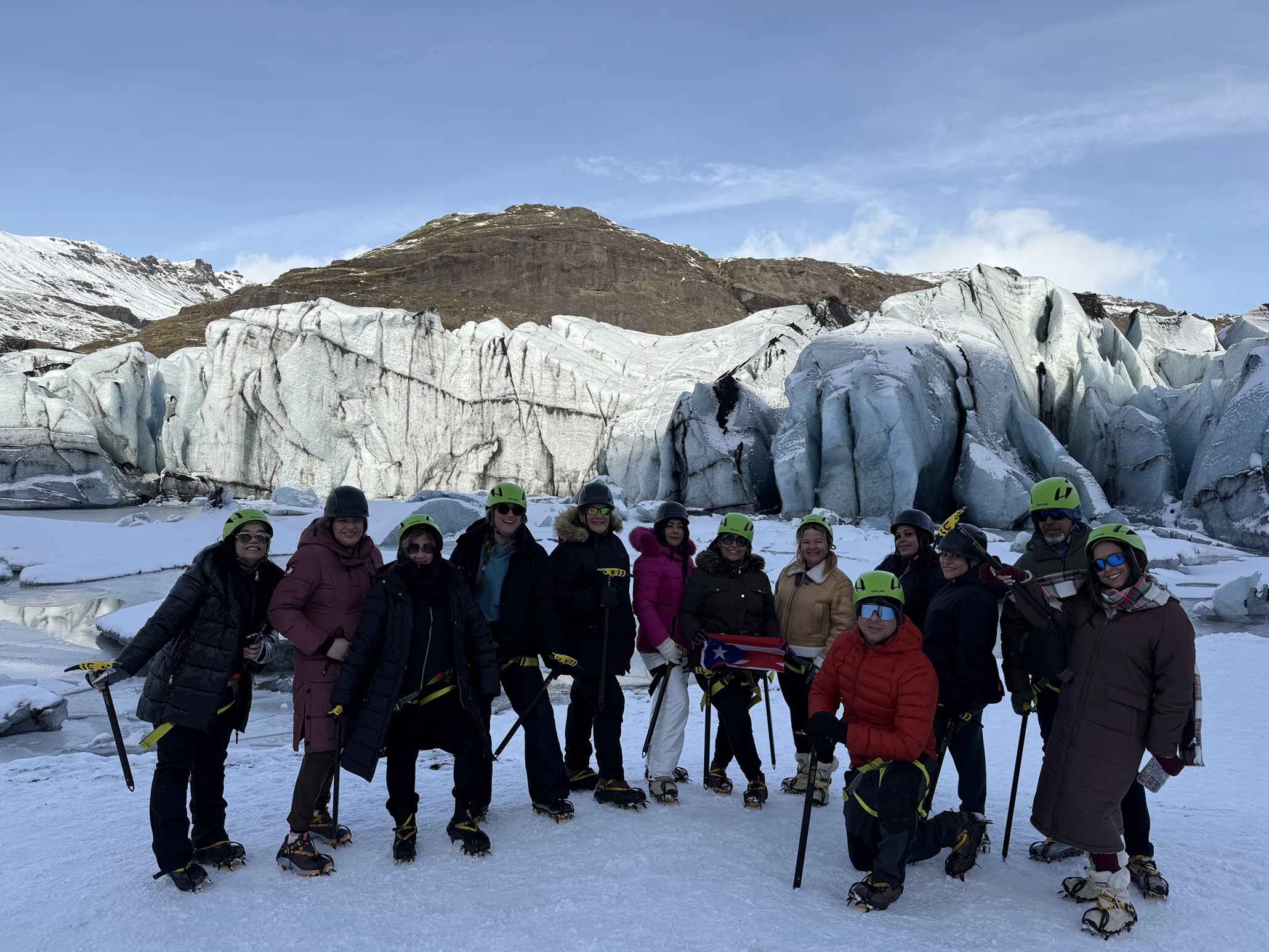
How difficult is glacier hiking?
It is considered an easy to moderate activity. No previous experience is required—just reasonable mobility. Both older children and senior travelers typically enjoy it without any issues.
Is it possible to see Icelandic horses during the tours?
Yes. On many routes, especially along the South Coast and the Golden Circle, it is common to see Icelandic horses. We sometimes make stops so travelers can admire them up close.
Can I pay in U.S. dollars or euros?
Local purchases are generally made in Icelandic króna, but almost everywhere accepts card payments, so there is usually no need to carry much cash.
Can I travel alone? Is it safe?
Iceland is one of the best destinations in the world for solo travelers. It is safe, well organized, and guided activities make it easy to meet other travelers.
Do I need travel insurance?
It is not mandatory, but it is highly recommended, especially because of weather-related situations and outdoor activities.
Is Iceland a good destination for families with children?
Yes, Iceland is a safe and peaceful destination for families. However, some activities, such as glacier hikes and ice cave tours, have minimum age requirements, usually 8 or 10 years old. Certain tours may also not be suitable for very young children due to weather conditions or duration.
Do I need special boots?
For most tours, waterproof footwear with good traction is sufficient. For glacier hiking, if you do not have suitable boots, we can help arrange a rental.
What clothing should I bring in each season?
Winter: thermal layers, a waterproof jacket, hat, gloves, scarf, and sturdy boots.
Summer: light layers, a waterproof jacket, a sweater, and comfortable footwear.
Year-round: clothing that can be easily added or removed, as the weather changes quickly.
Do you offer airport pickup?
Yes. We can arrange airport transfers, and most of our tours include airport pickup and drop-off at the end of the tour.
Will I be able to see the Northern Lights if it’s cloudy?
Unfortunately not. The Northern Lights require clear skies to be visible. That’s why we check conditions every night and look for the best available locations to maximize your chances.
Can I visit ice caves at any time of year?
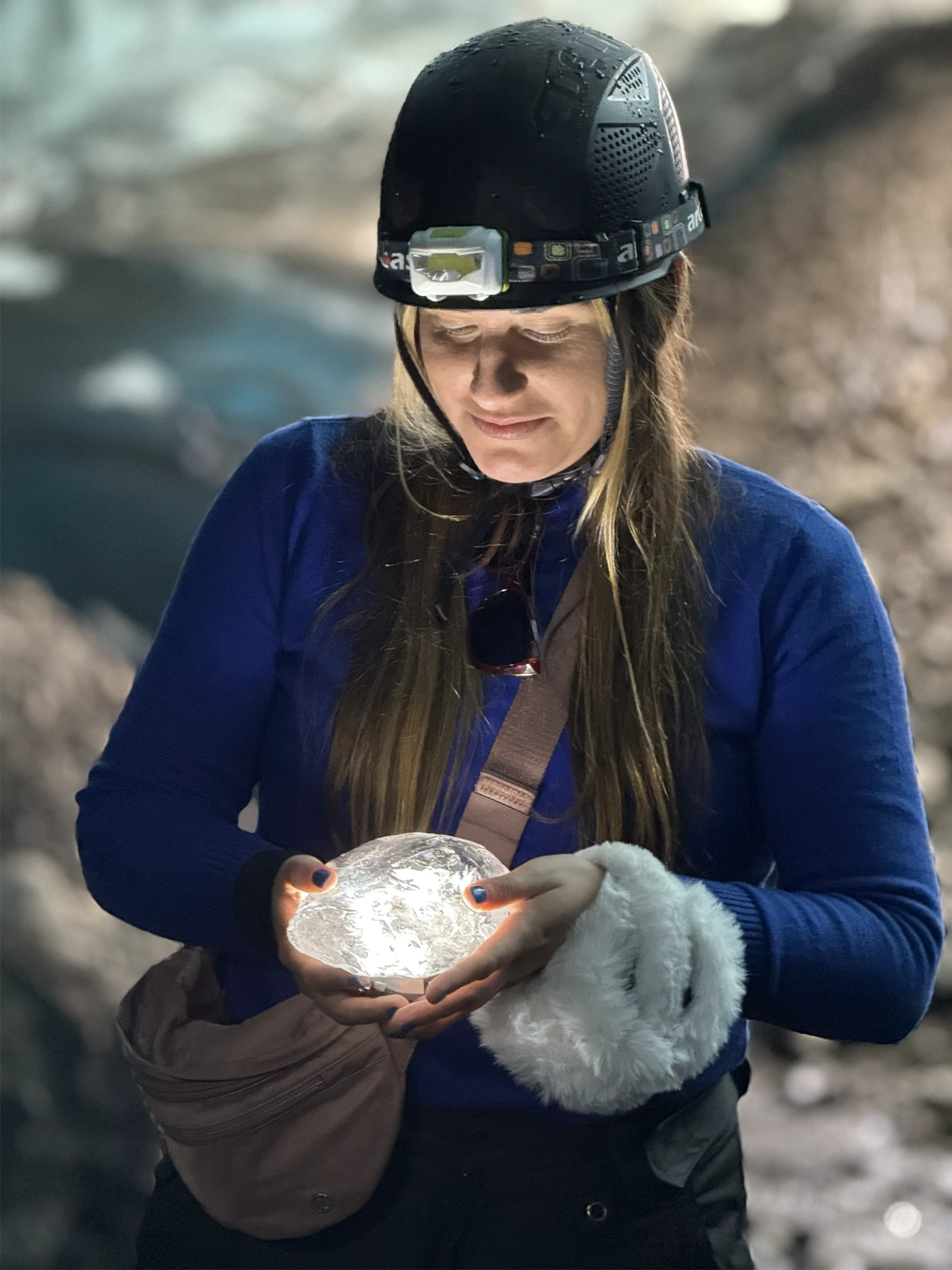
No. Natural ice caves are only available during winter. In summer, there are man-made ice caves that can be visited with a specialized guide.
Is it necessary to book everything in advance?
We strongly recommend it. Iceland has limited capacity for glacier tours, ice caves, geothermal lagoons, and other popular activities. Spots fill up quickly.
How do I know which tours to choose?
3–4 days: Golden Circle, South Coast, and Northern Lights.
5–7 days: Add glaciers, geothermal lagoons, the peninsula, and extra activities.
More than 7 days: Explore less-visited regions of Iceland.
If you’d like, we can create the perfect itinerary based on your interests and travel style.
What happens if my flight is delayed?
We can reschedule your pickup or activity, subject to availability. We recommend informing us as soon as you know about any changes.
What if I’ve never seen snow or I’m not used to cold weather?
That’s completely fine. Our guides will assist you throughout the experience, and all activities are designed for travelers with no previous experience. You simply need to dress appropriately.
Book your next adventure
Iceland awaits you with unique landscapes and unforgettable experiences. Secure your spot on one of our tours today.